
Manual & Structural Medicine
Manual and structural medicine focuses on hands-on evaluation and treatment of the body’s joints, muscles, connective tissues, and movement patterns. This category includes a range of approaches used to improve motion, reduce tension, address structural restrictions, and help the body function more comfortably and efficiently.
- Hands-on precision: Uses direct treatment to address joint restriction, muscle dysfunction, and tissue tension.
- Multiple treatment approaches: Includes manipulation, trigger point therapy, craniosacral therapy, visceral manipulation, and selected nervous system-focused techniques.
- Integrated recovery support: Often combined with rehabilitation, exercise, or other targeted treatments depending on the condition.
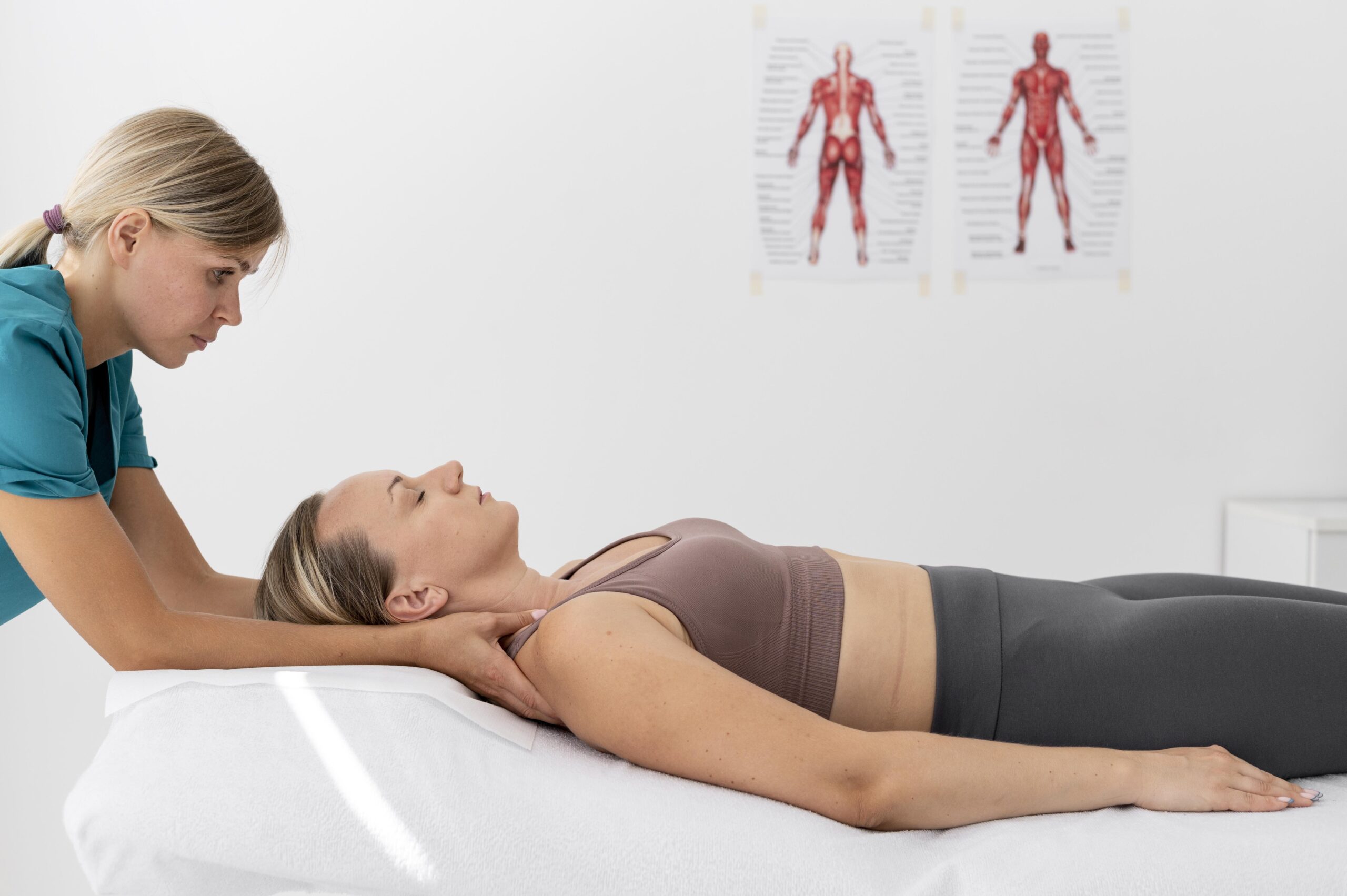
What is manual and structural medicine?
Manual and structural medicine is a broad category of care that focuses on how the body moves, where it is restricted, and how those restrictions may contribute to pain or dysfunction. Rather than looking only at a painful body part in isolation, this approach considers how joints, muscles, fascia, connective tissues, and the nervous system interact as part of a larger mechanical pattern.
Many musculoskeletal problems involve more than simple inflammation or injury. A person may also have joint fixation, compensatory muscle tension, trigger points, soft tissue restriction, altered posture, or persistent tension patterns that change how the body functions. Manual and structural medicine aims to identify and treat these patterns directly using skilled hands-on care.
How manual and structural medicine work
When the body is not moving well, stress is often redistributed into nearby tissues. Over time, one restricted joint can create muscle guarding elsewhere, persistent tension can alter movement patterns, and chronic compensation can make recovery more difficult. Manual and structural medicine is used to address these problems more directly by restoring motion, reducing abnormal tension, and improving tissue function.
Restores motion
Treatment may help improve the movement of joints, fascia, and other tissues that have become restricted or mechanically limited.
Reduces tension patterns
Hands-on techniques can help address muscle guarding, trigger points, and tissue strain that contribute to persistent pain or stiffness.
Supports nervous system regulation
Some approaches work not only through mechanics, but also by helping reduce protective tension or excessive sensitivity in the system.
Works best in context
These treatments are often most useful when integrated with exercise, rehabilitation, postural retraining, or treatment of the underlying injury.
Different techniques within this category work in different ways. Some are more direct and structural, while others are gentler and focused on tissue mobility, regulation, or functional balance.
What to expect during your visit
Your visit begins with a focused evaluation of the area involved, along with the surrounding regions that may be contributing to the problem. This often includes assessment of posture, joint motion, tissue tension, muscle function, and the overall movement pattern. If manual and structural treatment appears appropriate, the approach is selected based on your symptoms, physical findings, and the type of dysfunction present.
1. Evaluation
We assess motion, alignment, tissue tension, muscle involvement, and functional movement patterns to identify where the problem is coming from.
2. Targeted treatment
The treatment method is chosen based on your presentation and may include manipulation, soft tissue work, trigger point therapy, or other structural approaches.
3. Follow-up planning
You may leave with guidance on activity, recovery, exercises, or how this hands-on treatment fits into a broader care plan.
Some techniques feel more direct and mechanical, while others are gentler and more subtle. The treatment experience depends on the type of care being used and the area being treated.
Treatment approaches within manual and structural medicine
This category includes several different treatment styles, each suited to different patterns of dysfunction. Some patients benefit from a single approach, while others do best when multiple techniques are used together as part of a broader treatment plan.
- HVLA / OMT: Used to improve motion in restricted joints with precise, controlled manual treatment.
- Trigger point therapy: Focuses on areas of muscular tension, referred pain, and dysfunctional muscle activation.
- Craniosacral therapy: A gentler hands-on approach often used when the nervous system, head, neck, or tension pattern appears to be playing a major role.
- Visceral manipulation: Used in selected cases to address tension and mobility restrictions involving internal tissues and their surrounding connective structures.
- Nasosympathetic therapy: A more specialized technique sometimes used in cases involving sinus issues, autonomic balance, headaches, or related patterns.
- Joint-focused treatment
- Soft tissue and fascial work
- Muscle and trigger point treatment
- Gentle nervous system-oriented techniques
- Functional movement and structural assessment
Benefits and risks
Potential benefits
- Improved mobility and joint function
- Reduced muscular tension and trigger point activity
- Better movement efficiency and body mechanics
- May help reduce recurring strain patterns
- Useful complement to exercise, rehabilitation, and other pain-focused care
Possible side effects
- Temporary soreness after treatment
- Mild tenderness or symptom flare in the treated area
- Fatigue or post-treatment achiness in some cases
- Technique-specific risks depending on the area and method used
A careful evaluation is important because not every type of pain is best treated with hands-on structural care, and the most appropriate method depends on the tissue involved and the overall clinical picture.
Aftercare and next steps
Manual and structural medicine is often one part of a larger recovery plan rather than a stand-alone fix. Depending on the issue, your treatment plan may also include home exercises, mobility work, strength training, activity modification, rehabilitation, injection therapy, or further evaluation of the underlying pain generator. The goal is not only to improve how you feel in the moment, but to help the body function better and reduce the pattern that led to the problem in the first place.
After treatment
You may be encouraged to hydrate, move gently, monitor your response, and avoid overloading the area immediately after treatment.
Longer-term planning
Lasting improvement often comes from combining hands-on care with better movement, improved strength, and treatment of the underlying structural or functional issue.
Schedule a manual and structural medicine consultation
If you are dealing with stiffness, recurrent tension, structural restriction, trigger points, or pain that may be related to how your body is functioning mechanically, manual and structural medicine may be worth considering. We can help determine which hands-on treatment approach best fits your symptoms and how it should be integrated into your broader care plan.