
Dry Needling | Bakker Natural Medicine
Advanced Pain & Injury Treatments

Dry Needling

Dry needling is a targeted treatment used to address trigger points, tight muscle bands, and pain patterns that may be contributing to stiffness, reduced mobility, or ongoing discomfort. It is often used as part of a broader plan to help muscles relax, improve movement, and reduce pain.

  • Targeted treatment: Focuses on specific muscles and trigger points that may be driving symptoms.
  • Movement support: Often used to help reduce guarding and improve range of motion.
  • Integrated care: Commonly paired with manual therapy, exercise guidance, and a broader recovery plan.
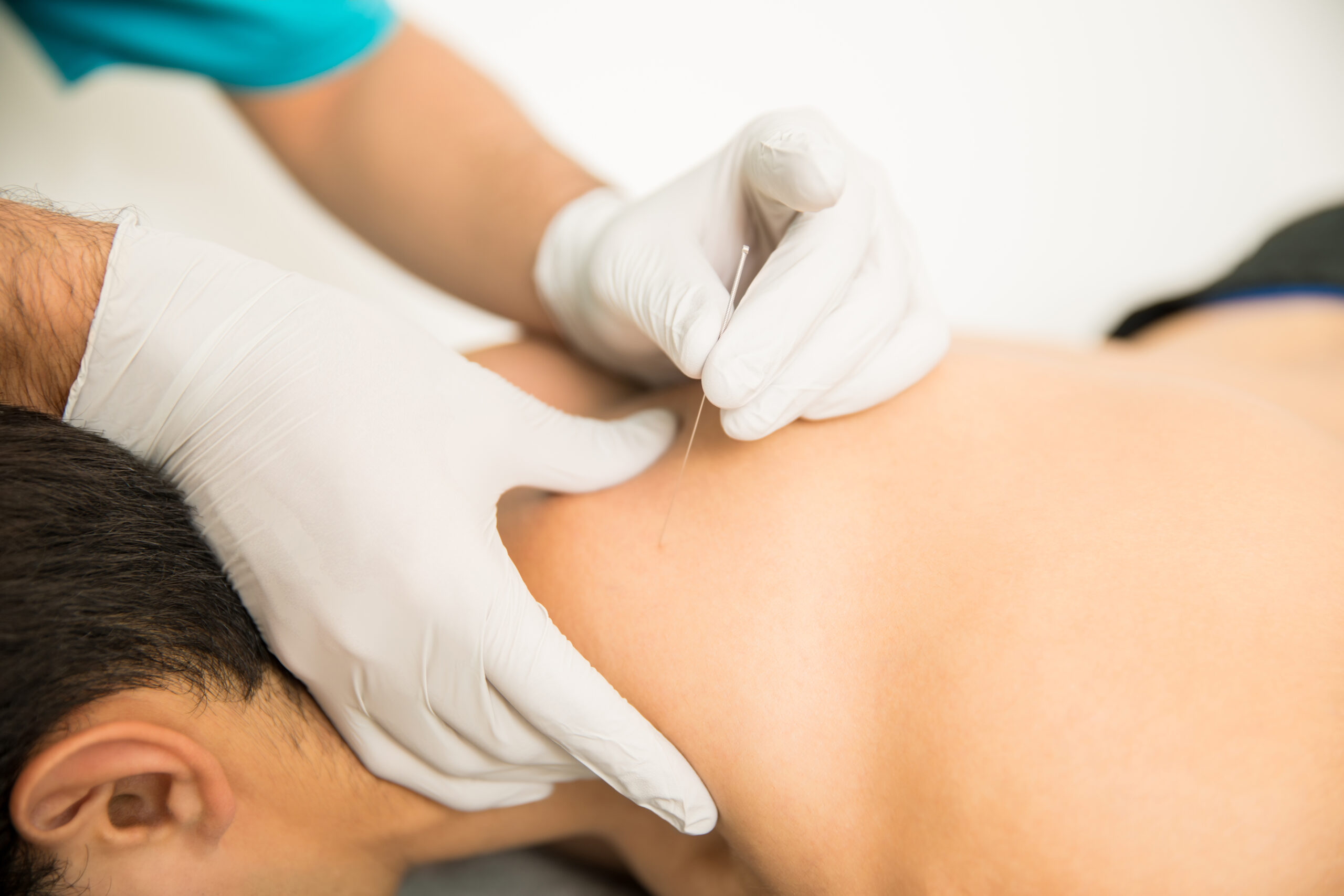
Trigger point therapy treatment on shoulder

What is dry needling?

Dry needling is a treatment in which a thin monofilament needle is inserted into specific muscles or trigger points that appear to be contributing to pain, tightness, or limited movement. The goal is not to inject medication, but to directly address dysfunctional muscle tissue and the pain patterns associated with it.

It is commonly used when persistent muscle tension, trigger points, or neuromuscular guarding appear to be part of the problem. Dry needling may be especially helpful when symptoms have not fully improved with stretching, massage, or activity modification alone.

How dry needling works

When a muscle stays tight, irritated, or overactive, it can become part of an ongoing pain cycle. That may show up as local tenderness, referred pain, stiffness, restricted motion, or a sense that a muscle is always “on.” Dry needling is used to help interrupt that cycle by treating the involved muscle more directly.

Precise treatment

The needle is placed into the muscle or trigger point that appears to be contributing most to the symptom pattern.

Helps reduce guarding

Treatment may help calm muscle tension, improve muscle behavior, and reduce pain with motion.

Supports mobility

Many patients notice that areas feel less restricted after treatment, especially when paired with movement afterward.

Part of a larger plan

Dry needling is often most useful when combined with manual therapy, exercise, and treatment of the underlying movement pattern.

What to expect during your visit

Your visit begins with a focused evaluation of your symptoms, movement limitations, and the muscle patterns contributing to your pain. If dry needling is appropriate, the involved areas are identified and treated in a targeted way. Some patients feel a brief twitch response, cramping sensation, or local ache during treatment. Those sensations are common and are usually short-lived.

1. Evaluation

We identify the muscles and pain patterns most likely to be contributing to your symptoms.

2. Treatment

The needle is placed into selected trigger points or tight muscle bands in a precise, focused manner.

3. Follow-through

You may be guided through movement, stretching, or home care recommendations to support a better response after treatment.

Soreness afterward is common and may feel similar to post-workout soreness for a short period after treatment.

What dry needling may help with

Dry needling is often considered when trigger points, muscle guarding, or chronic tension appear to be part of the pain picture. It can be useful for a range of musculoskeletal complaints, especially when pain is being driven at least in part by dysfunctional muscle activity.

  • Neck and shoulder tension
  • Tension-type headaches
  • Upper and low back pain with muscle tightness
  • Hip and gluteal pain patterns
  • Sports-related tightness and overuse complaints
  • Forearm, elbow, and repetitive strain symptoms
  • Persistent muscle tightness after injury
  • Restricted movement related to myofascial tension
Good candidates often notice
  • Tender knots or bands in the muscle
  • Pain that refers into nearby areas
  • Stiffness that keeps returning
  • Symptoms that improve only temporarily with massage
  • Muscles that feel overactive or difficult to relax

Benefits and risks

Potential benefits

  • Reduced muscle tension and trigger point sensitivity
  • Improved range of motion and movement tolerance
  • Less pain with certain activities or positions
  • Useful complement to rehab, manual therapy, and exercise

Possible side effects

  • Temporary soreness after treatment
  • Mild bruising or tenderness
  • Short-term fatigue or local symptom flare
  • As with other needling procedures, there are procedural risks that are reviewed before treatment

Dry needling is not appropriate for every patient or every pain problem. A proper assessment helps determine whether it fits your situation and whether another treatment approach would make more sense.

Aftercare and next steps

Dry needling often works best when it is part of a broader treatment strategy. Depending on the issue, that may include manual therapy, mobility work, strengthening, posture or ergonomic changes, or additional in-office treatments. The goal is not only to calm painful muscles, but to improve how the area functions over time.

After treatment

Hydration, light movement, and gentle stretching are often encouraged unless you are told otherwise.

Longer-term plan

When tight muscles keep returning, the next step is often addressing the movement, loading, or joint issues contributing to the pattern.

Schedule a dry needling consultation

If you are dealing with persistent muscle tension, trigger points, or pain that seems to keep returning, dry needling may be a useful part of your treatment plan. We can help determine whether it is the right fit for your condition and how it should be integrated into your broader recovery plan.