
NeurOptimal Neurofeedback
NeurOptimal neurofeedback is a non-invasive, brain-based training approach used to support resilience, adaptability, and better nervous system regulation. Unlike more protocol-driven forms of neurofeedback that are designed around a diagnosis, symptom target, or selected brainwave training goal, NeurOptimal is an automated system that is intended to give the brain real-time information about its own activity and allow it to make its own adjustments over time.
- Different from traditional neurofeedback: NeurOptimal is not built around diagnosis-specific protocols or manually selected training targets.
- Stress-related condition focus: Often used when stress load, nervous system dysregulation, or reduced resilience appears to be part of the overall clinical picture.
- Broader nervous system support: May be considered in patients dealing with TBI recovery patterns, headaches, IBS, TMJ, sleep disruption, or other stress-related conditions.
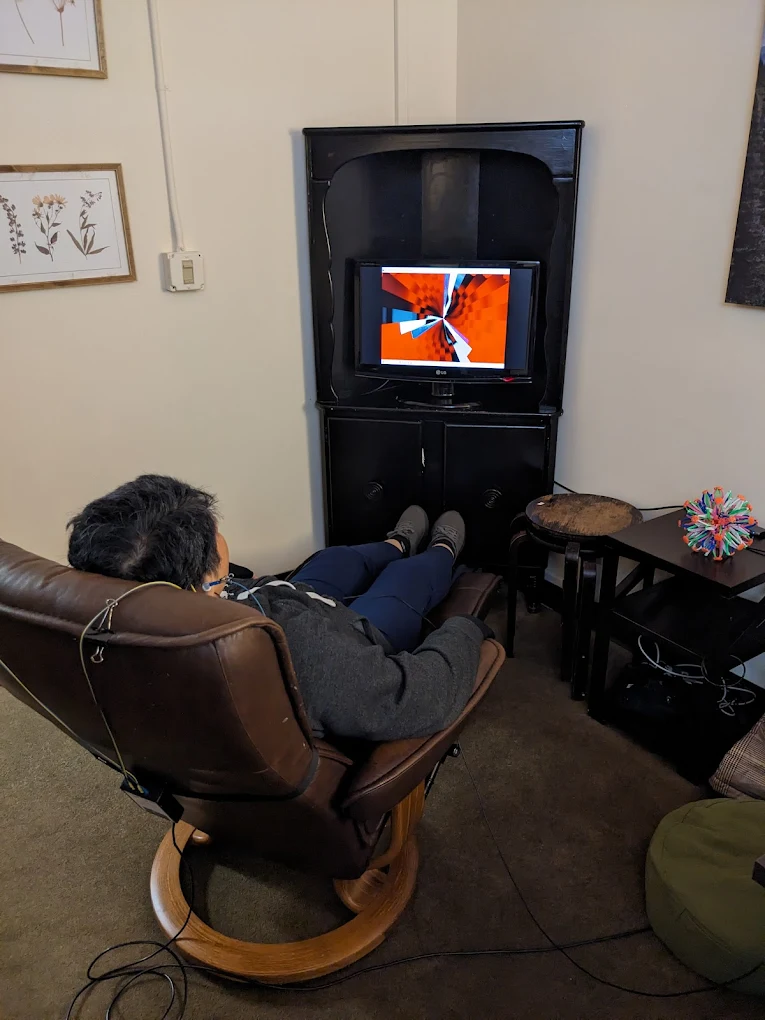
What is NeurOptimal neurofeedback?
NeurOptimal is a specific type of neurofeedback often described as Dynamical Neurofeedback. Rather than using an intake-based protocol to train toward a chosen brainwave pattern, it is designed to monitor brain activity in real time and provide moment-to-moment feedback through brief interruptions in the audio being played during the session. The idea is that the brain notices these changes and uses that information to reorganize itself more efficiently.
This makes it meaningfully different from more conventional neurofeedback models, where the clinician may identify a specific pattern to train and then apply a targeted protocol around attention, relaxation, arousal, or another symptom-based goal. NeurOptimal is broader and less prescriptive. In clinical use, that can make it appealing for patients whose symptoms appear to reflect nervous system overload, reduced flexibility, chronic stress effects, or difficulty settling out of a more reactive state.
How NeurOptimal works
During a session, sensors are placed on the scalp and ears to monitor electrical activity from the brain in real time. As the system detects rapid shifts in activity, the audio you are listening to is interrupted very briefly. That interruption serves as feedback. Rather than directing the brain toward a specific preset state, NeurOptimal is intended to allow the brain to notice its own momentary changes and adapt from there.
Automated and non-directive
The system does not rely on diagnosis-based protocols or practitioner-selected brainwave targets during the session.
Real-time feedback
Very brief pauses in the audio provide the brain with information about its own activity as it happens.
Focuses on regulation and flexibility
The broader aim is to support a more adaptable and less stuck nervous system rather than to force a narrow training outcome.
Often used within a larger plan
Neurofeedback may be combined with medical care, injury recovery work, counseling, sleep support, or other strategies depending on the case.
NeurOptimal is best understood as a brain-training or wellness-oriented nervous system support tool rather than a diagnosis or treatment device for a specific disease state.
What to expect during your visit
Your visit begins with a discussion of your symptoms, your broader health picture, and whether neurofeedback makes sense as part of your care plan. During the session, sensors are placed on the scalp and ears while you sit comfortably and listen to music or audio. The session itself is passive in the sense that you are not trying to consciously “perform” or make the brain do something specific. The system runs while your brain receives real-time feedback in the background.
1. Assessment
We review whether the pattern appears to involve stress-related dysregulation, poor resilience, or nervous system overload.
2. Session
Sensors are applied and you relax while the system provides brief audio interruptions based on real-time brain activity.
3. Follow-up planning
We monitor how you respond over time and decide how neurofeedback fits with the rest of your treatment plan.
Because NeurOptimal is not protocol-driven in the same way as some traditional neurofeedback systems, the treatment experience is often described more as a training process that unfolds over multiple sessions rather than as a single targeted intervention.
What NeurOptimal neurofeedback may support
In practice, NeurOptimal is often used in the context of stress-related conditions and situations where the nervous system appears less flexible, less settled, or more reactive than it should be. That does not mean every symptom is “just stress,” but it does recognize that chronic stress load and nervous system dysregulation can meaningfully influence how a person sleeps, focuses, recovers, feels pain, and tolerates daily demands.
This is one reason neurofeedback may be considered in a wide range of clinical settings, including patients with post-concussion or TBI recovery patterns, headaches, TMJ symptoms, IBS, sleep disruption, chronic tension, or stress-amplified symptom clusters. In these cases, NeurOptimal is generally being used to support overall regulation and resilience rather than to claim a disease-specific effect on one diagnosis alone.
- Stress-related conditions
- Post-concussion or TBI recovery support
- Headaches and tension-related symptom patterns
- TMJ and jaw tension patterns
- IBS or gut symptoms that appear strongly stress-responsive
- Sleep disruption or poor restorative sleep
- Poor focus, overwhelm, or difficulty settling the mind
- General nervous system overload or reduced resilience
- Feeling chronically wired, tense, or easily overwhelmed
- Difficulty shifting out of stress mode even when life calms down
- Poor sleep, poor recovery, or feeling “on edge” much of the time
- Symptoms that flare with mental load, emotional stress, or overstimulation
- A desire for a non-invasive nervous system support option
Benefits and considerations
Potential benefits
- Non-invasive, medication-free support option
- May support better resilience, recovery, and nervous system flexibility
- Can fit into broader care for stress-related conditions
- Often appealing to patients who want a more general regulation-focused approach
- May complement medical, rehabilitative, or counseling-based care
Important considerations
- NeurOptimal is not the same as diagnosis-targeted protocol neurofeedback
- It is generally best viewed as a training process rather than a one-time fix
- Response varies from person to person
- It should not replace appropriate medical evaluation when a condition needs direct medical care
- Progress is often best judged over a series of sessions and in the context of the larger treatment plan
The best use of NeurOptimal usually comes from choosing it for the right kind of clinical picture: one where nervous system regulation, adaptability, stress tolerance, and recovery appear to be important parts of the problem.
Aftercare and next steps
NeurOptimal neurofeedback is generally used as part of a broader care plan rather than as a stand-alone answer to every symptom. Depending on the situation, that larger plan may also include medical treatment, TBI recovery support, headache care, TMJ-focused treatment, counseling, sleep work, stress management, manual medicine, or other strategies. The goal is to support a more adaptable nervous system while still addressing the underlying drivers of symptoms in an appropriate and individualized way.
After a session
You may be asked to notice changes in sleep, stress tolerance, focus, recovery, or day-to-day symptom reactivity over time.
Longer-term planning
For many patients, the value of neurofeedback becomes clearer when sessions are integrated thoughtfully with the rest of their medical and nervous system support plan.
Schedule a NeurOptimal neurofeedback consultation
If you are dealing with stress-related conditions, poor nervous system resilience, post-concussion symptoms, headaches, TMJ tension, IBS, or other patterns that seem closely tied to stress and regulation, NeurOptimal neurofeedback may be worth considering. We can help determine whether this approach fits your situation and how it should be integrated into your broader care plan.