
Auto Injury & PIP Care | Bakker Natural Medicine
Motor Vehicle Collision & Injury Care

Auto Injury & PIP Care

Auto injuries are often more complicated than they first appear. A collision may lead to neck pain, back pain, headaches, shoulder injuries, dizziness, concussion symptoms, nerve irritation, sleep disruption, or a broader stress response that develops in the days and weeks after the event. Personal Injury Protection, or PIP, can help cover treatment after a motor vehicle accident, but patients still need a clear evaluation, a well-organized treatment plan, and care that addresses both the obvious injury and the layers that keep symptoms from resolving.

  • PIP injury care: We evaluate and treat auto injuries and can work within the context of PIP-covered care when appropriate.
  • More than whiplash care alone: Treatment may include musculoskeletal care, concussion support, nervous system support, and broader primary care evaluation.
  • Integrated treatment planning: Many motor vehicle injuries improve best when multiple therapies are used together thoughtfully.
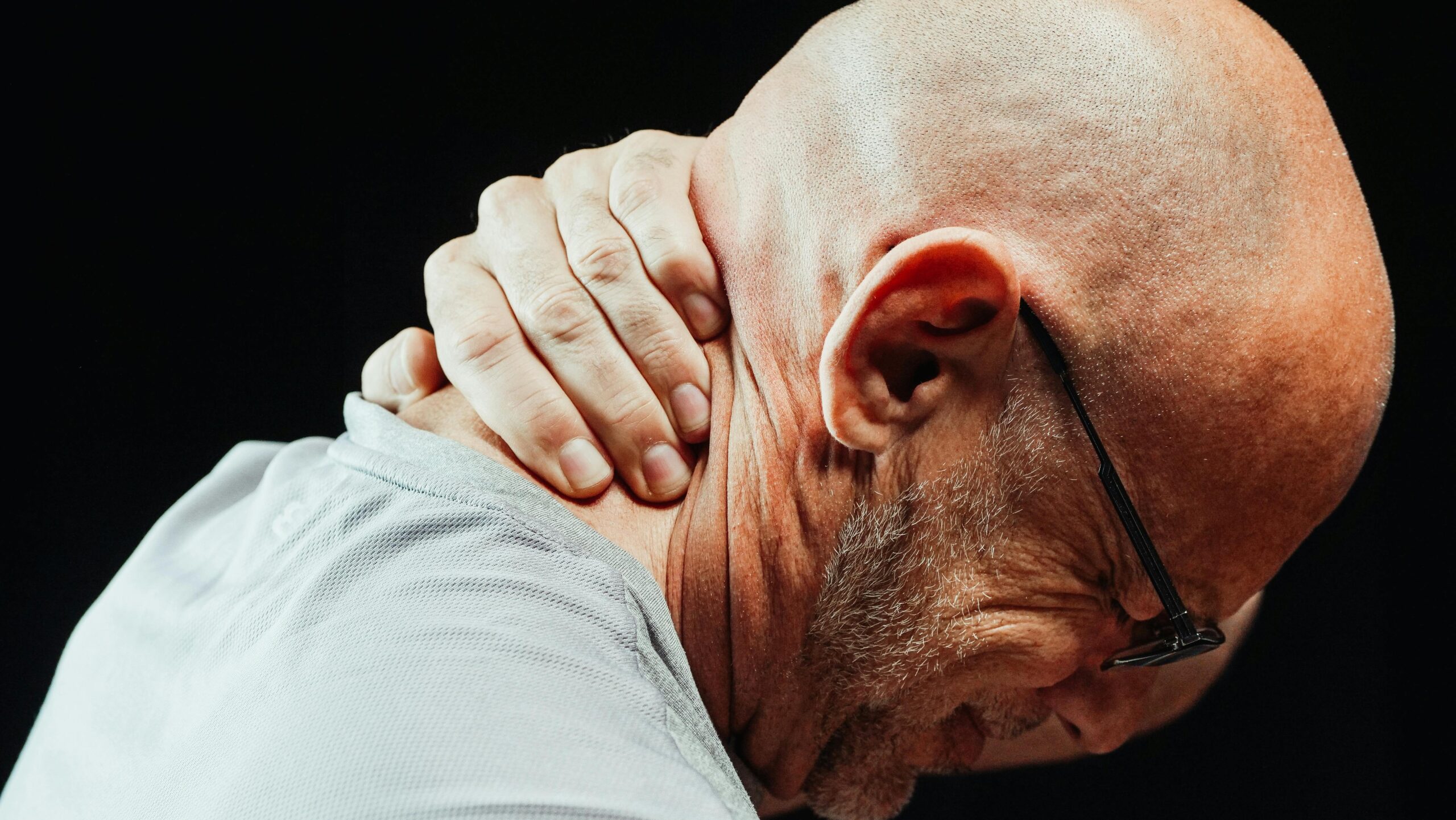
Image by Freepik

What auto injury care includes

Auto injury care often starts with an obvious complaint like whiplash, low back pain, shoulder pain, or headache, but motor vehicle injuries frequently involve more than the most immediate symptom. Even lower-speed collisions can create layered patterns of muscle guarding, joint irritation, nerve sensitivity, dizziness, concussion symptoms, sleep disruption, and stress-related physiologic responses. Some patients feel worse several days after the accident than they did on the day it happened. Others find that the original pain begins to improve, but lingering headaches, tightness, or nervous system symptoms keep them from feeling normal again.

Because of that, good post-accident care usually requires more than simply identifying where it hurts. It often involves understanding the mechanism of injury, what tissues were likely stressed, whether symptoms suggest concussion or nerve involvement, whether stress or poor sleep is intensifying the picture, and what combination of treatments is most appropriate. The goal is to build a plan that addresses the actual recovery needs of the patient rather than treating every collision the same way.

How PIP care works (what to expect)

Personal Injury Protection, or PIP, is designed to help cover medical treatment after a motor vehicle accident, depending on the policy and circumstances. From the patient’s perspective, the most important early steps are getting evaluated, documenting symptoms clearly, and starting appropriate treatment in a timely way. As care continues, recovery often depends on tracking how symptoms evolve, recognizing when the injury involves more than one layer, and adjusting treatment as the clinical picture becomes clearer.

Initial evaluation

Care typically begins with documenting the accident history, symptom pattern, areas of injury, and whether there are red flags that require more urgent evaluation.

Clarifying the injury pattern

Some patients have straightforward strain injuries. Others show signs of concussion, nerve irritation, joint dysfunction, or more persistent pain patterns that need broader treatment planning.

Building the treatment plan

Treatment may include conservative care, procedural treatment, physical medicine, concussion support, or other modalities depending on the tissues involved.

Ongoing documentation

As symptoms change, charting and follow-up help clarify what is improving, what is lingering, and what additional treatment or workup may be needed.

Functional recovery

The focus gradually shifts toward restoring normal daily function, reducing flare-ups, improving tolerance for activity, and supporting longer-term recovery.

Further care when needed

Some patients improve quickly, while others need more time, more targeted treatment, or referral depending on the severity and complexity of the case.

Auto injury care is often most effective when symptoms are taken seriously early, documented clearly, and treated based on the actual pattern that develops rather than assumptions made on day one alone.

Treatment options we may use for auto-related injuries

Motor vehicle collisions can create many different tissue problems at the same time. A person may have whiplash with major muscle guarding, a shoulder strain with trigger points, low back pain with mechanical dysfunction, a nerve-sensitive pain pattern, or a concussion layered together with poor sleep and headaches. For that reason, many patients do best when care is built from multiple tools rather than assuming one type of treatment should solve every part of the injury.

Trigger Point Injections

Often useful when post-accident muscle spasm, guarding, and trigger points are major drivers of ongoing pain and restricted movement.

Prolotherapy

May be considered in selected cases when ligamentous strain or chronically irritated supporting structures appear to be contributing to ongoing instability or pain.

Shockwave Therapy

Can be helpful in more chronic soft tissue injuries or tendon-related pain patterns that persist after the more acute stage of the accident has passed.

Joint Aspirations

May be used when joint swelling or fluid becomes part of the post-traumatic picture and needs more direct evaluation or intervention.

Neural & Perineural Therapy

May fit cases where pain feels burning, radiating, unusually sensitive, or more nerve-related than purely muscular or joint-based.

Manual & Structural Medicine

Often important after collisions to address joint restriction, compensation patterns, muscular tension, and the structural changes that develop after trauma.

Neurofeedback

May be useful as part of broader support for concussion recovery, headaches, nervous system dysregulation, and post-accident stress-related symptoms.

HRV Biofeedback

Can support recovery when sleep disruption, stress physiology, headaches, dizziness, or a persistent fight-or-flight response appear to be part of the picture.

These therapies are often used together. For example, a patient may need hands-on structural treatment plus trigger point care, or concussion-focused treatment plus biofeedback, or a chronic neck injury plan that combines procedure-based treatment with broader recovery support.

Common injuries and symptoms we see after motor vehicle accidents

Auto accidents commonly lead to neck pain, back pain, and headaches, but the symptom pattern can extend far beyond that. Depending on the collision, patients may develop shoulder injuries, rib or chest wall pain, jaw tension, dizziness, visual strain, concentration difficulties, sleep disturbance, worsening digestive symptoms, or a generalized stress response that keeps the nervous system feeling activated long after the crash. In some patients, the most disabling symptoms are not the ones that seemed most obvious on the first day.

  • Whiplash and cervical strain injuries
  • Low back pain and thoracic strain
  • Shoulder, rib, hip, knee, and other musculoskeletal injuries
  • Concussion and post-concussion symptoms
  • Headaches, dizziness, brain fog, and concentration changes
  • Jaw tension, TMJ symptoms, and facial tension patterns
  • Burning, radiating, or nerve-sensitive pain patterns
  • Stress-related conditions, poor sleep, and nervous system overload after the accident
  • Primary care concerns that affect recovery, such as fatigue, medication issues, digestive disruption, or other overlapping health problems
We often help patients dealing with
  • Symptoms that worsened days after the collision
  • Whiplash that has not resolved as expected
  • Concussion symptoms interfering with work or daily life
  • Headaches, sleep problems, or stress physiology after the accident
  • Persistent pain patterns that did not improve with basic care alone

Benefits and considerations

Potential benefits

  • Allows musculoskeletal, neurologic, and stress-related aspects of the accident to all be considered
  • Supports a more individualized plan than treating every collision like simple whiplash alone
  • Can integrate procedures, physical medicine, biofeedback, and primary care support
  • May help patients whose symptoms have become more layered or chronic over time
  • Encourages recovery planning based on actual function, not just the original diagnosis

Important considerations

  • Not every auto injury needs advanced treatment, but some clearly benefit from more targeted care
  • Some symptoms require imaging, specialist referral, or additional evaluation
  • Concussion and stress-related symptoms may be easy to overlook if care focuses only on pain
  • Recovery often improves best with consistent follow-up rather than one isolated visit
  • Good outcomes often come from combining therapies thoughtfully instead of relying on one intervention alone

Effective auto injury care means taking both the visible injury and the less visible consequences of the accident seriously, including nervous system stress, sleep disruption, concussion symptoms, and persistent compensation patterns.

Recovery and next steps

Recovery after a car accident is rarely just about reducing pain for a few days. The real goal is helping the body settle, identifying what is still driving symptoms, restoring normal function, and preventing an acute injury from turning into a chronic one. Depending on the patient, that may mean continued musculoskeletal treatment, concussion support, biofeedback or neurofeedback for stress-related symptoms, procedure-based treatment for stubborn pain patterns, or addressing broader primary care issues that are interfering with healing. The right plan is the one that reflects the full recovery picture, not just the most obvious complaint.

Short-term goals

Clarify the injury pattern, reduce pain, improve daily function, and determine what combination of treatments is most appropriate early in recovery.

Longer-term planning

Prevent persistent post-accident symptoms, improve resilience, and help the patient return to a more stable baseline physically and neurologically.

Schedule an auto injury consultation

If you were injured in a motor vehicle accident and are dealing with pain, headaches, concussion symptoms, whiplash, stress-related issues, or delayed recovery, we may be able to help. We can work with you to evaluate the injury clearly, support treatment within the context of PIP care, and build a plan that addresses both the injury itself and the broader recovery process.